
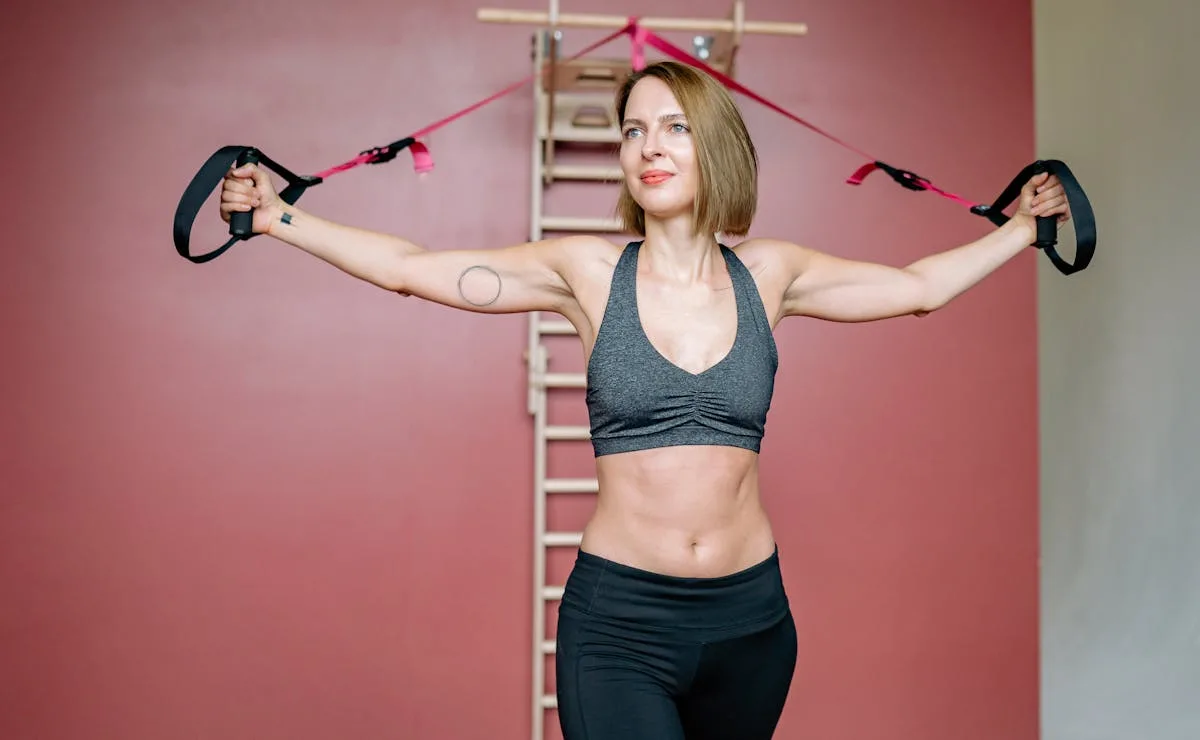
The functional training method was created to assist patients during physical rehabilitation, when physiotherapists used exercise techniques to recover patients after suffering injuries.
The activity has many benefits, as it incorporates the best of each area of the body, allowing the practitioner to obtain better results, using all physical conditioning, without overloading individual muscles.
The good news is that you can do functional training at home!
What is functional training?
Known for combining different physical skills in a series of unique exercises, in which, instead of working each muscle individually, the entire body is exercised in a unified way.
It is necessary to use the strength and agility of the body to be able to perform movements that are more complex, compared to the weight training equipment in a gym.
Through functionality you can improve:
- resistance;
- strength;
- balance;
- agility; and
- cardiorespiratory capacity.
In short, to understand the idea and power of functional training, just look at the following example: we always think that, when jumping rope , we are only moving and exercising our lower limbs, right?
Wrong! When we jump rope, we move and use all of our muscles. In fact, not just our muscles. The activity itself makes us use our nervous system, cardiovascular system, respiratory system, upper muscles and abdomen, for example.
Just like jumping rope, in addition to exercising, toning, improving and expanding your physical condition, functional training also helps you lose weight.
Especially when compared to other modalities, such as running, as functional training guarantees a greater loss of calories in the same amount of time.
Functional training for beginners
Functional training can be practiced by beginners, however, before starting, as with any physical exercise, a medical opinion is important for specific cases, such as back and heart problems, among others.
But remember to start slowly, keeping up with your training levels to avoid causing serious injuries.
Therefore, start slowly and with the supervision of a professional or, if you are practicing at home, look for video lessons on YouTube that are specifically for beginners.
Extra tips for beginners
- Remember that in functional training your muscles should not play the role of “pulling” and “pushing”, but rather jumping, running, going up and down, making your muscles more functional.
- Strengthen and train the core (lumbar-pelvic and hip regions) first, as it is from there that the body gains strength and stability.
- The program should always stimulate: mobility, flexibility, strength, balance, endurance, speed, power and agility.
- A complete workout goes beyond functional exercises : it is important to eat well, get enough rest and get quality sleep.
- Always respect your limits and, if you feel any discomfort, dizziness or shortness of breath, stop the physical activity immediately.
Now check out our tips for exercises that can be done in your living room!
10 exercises to do functional training at home
1. Squats
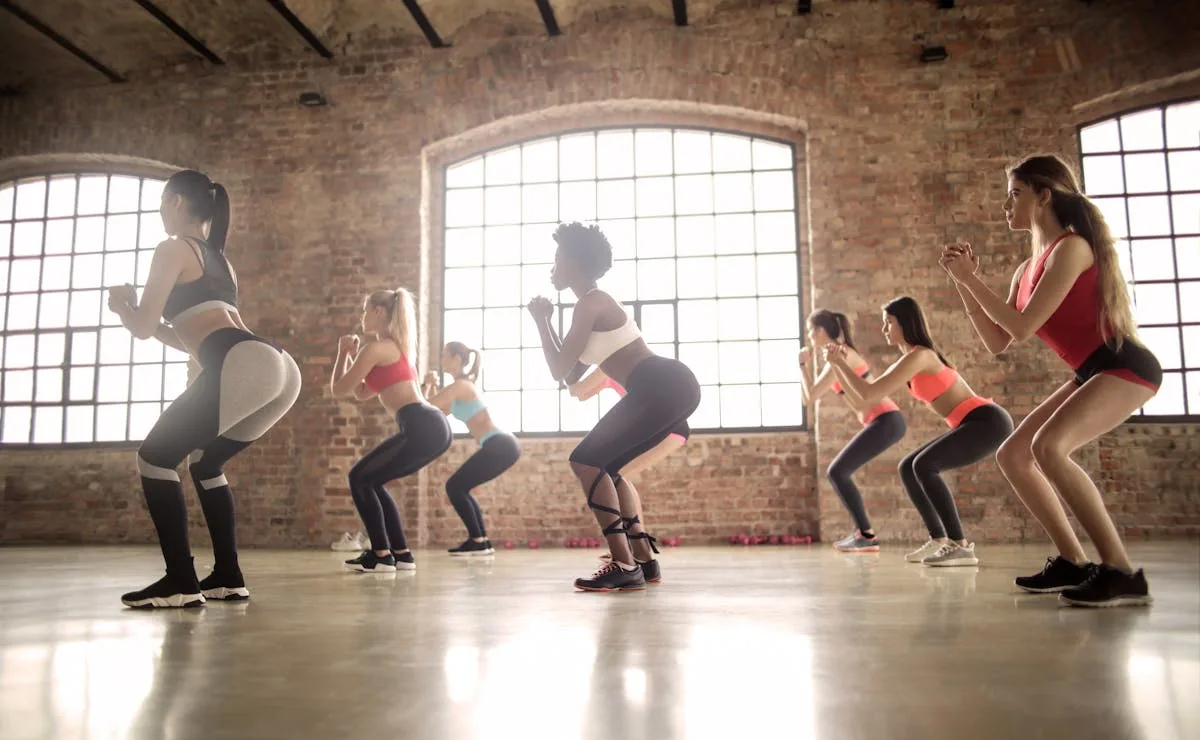
Standing, keep your legs shoulder-width apart and your arms stretched out straight in front of your body.
Bend your knees to perform the squat, until they are aligned with the tips of your feet.
Keep your spine straight and your butt sticking out. Put all your body weight on your heels and do this 15 times.
2. Punchinello
Stand up straight with your feet together and your hands stretched out at your sides. To begin the movement, jump with your legs shoulder-width apart and raise your arms, palms facing inwards, as if you were going to clap.
Return to the starting position when your feet are together again and do this movement for 1 minute.
3. Lunge
Place your right leg in front of your left leg, bend your knee towards the floor, making your front leg form a 90 degree angle.
Perform this up and down exercise 10 times, then return to the starting position and start the same procedure, but now with your left leg.
4. Knee lunge
Perform the exercise in the traditional way, however, when lifting, use the same leg to “kneel” in the air.
Remember to alternate legs with each movement.
5. Calf
Look for a surface that is slightly different in level from the floor. Place only the front part of your feet, that is, the part of your toes, on this surface.
With your body upright, move up and down at the same time with both feet. Hold for 2 seconds on each step.
Repeat this exercise 20 times.
6. Running in place
Run in place, keeping your arms at your sides.
7. Jump squats
Do squats, jumping each time you lift your body, and while you are in the air, alternate your arms, raising them with your hands up.
8. Jumping jacks with punches
Instead of doing the traditional jumping jacks with your arms open, do the exercise with your legs normally, but with your arms alternate punching movements, keeping them firm with each blow.
9. Squat with fake ball
Do a normal squat, with your legs bent and shoulder-width apart, and lower yourself as if there were a ball between your legs.
Imagine that you catch the ball in your hands and jump with your arms steady and your feet together. If you want, you can use a real ball to make it easier.
10. Jump rope
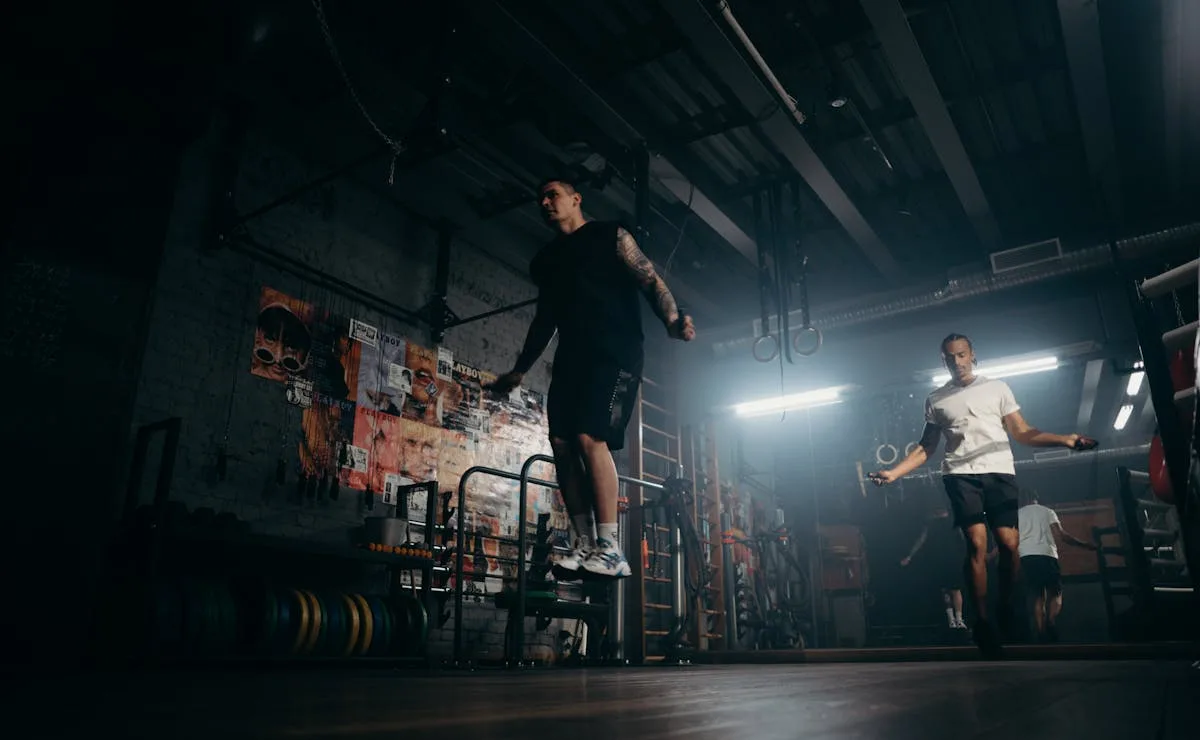
If you don’t have a rope at home, simulate the act of jumping rope, with low, firm jumps, rotating your arms in the same movement you would do if you had one end of the rope in each hand.